A Woven Narrative

A handmade rug by Kashanian Exports is more than an exquisite addition to an interior; it is a woven narrative of heritage, fine artistry, and generational craft. Woven with noble fibers like resilient New Zealand wool and luminous viscose, these pieces are designed to endure for generations. To ensure your investment retains its luster, structural depth, and tactile luxury, we invite you to embrace this curated ritual of care.

The Rhythms of Routine Maintenance

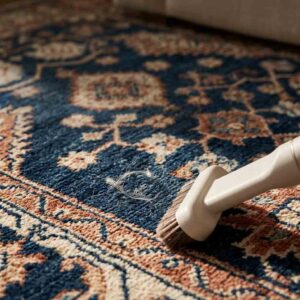
The Gentle Vacuum

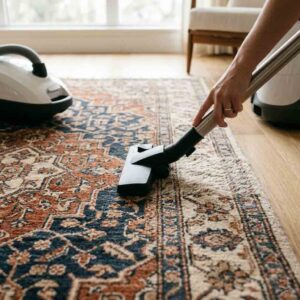
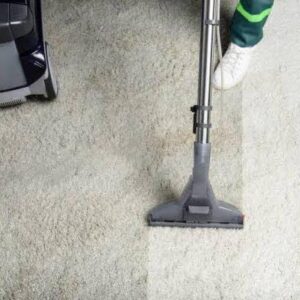
Vacuum regularly, but always disengage the beater bar. High-powered spinning brushes tear delicate knots. Use pure suction, moving smoothly in the direction of the pile’s natural lay.

Embrace the Turn

Every six months, rotate your rug 180 degrees. This ensures that foot traffic and natural sunlight are distributed evenly, preventing localized fading or uneven wear patterns.

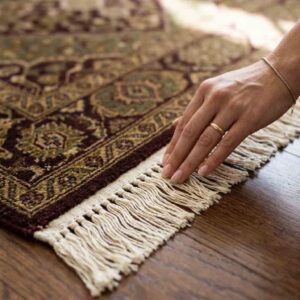
Care of the Fringe

If your masterpiece features hand-tied fringe, never run a vacuum over it. Gently comb the fringe out by hand to prevent tangling and structural distress.

A Note on Shedding

Premium handmade wool rugs will naturally shed loose fibers initially. This is a natural awakening of the yarn, not a defect. Regular, low-suction vacuuming will gently resolve this.

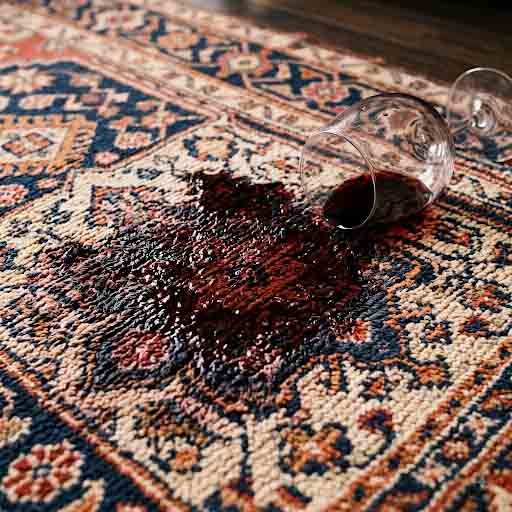
The Chemistry of Spills

Immediate Response

When the unexpected happens, immediate and measured action is the key to protecting the fibers from permanent staining.

  • Act with Immediacy: Never allow the liquid to dry or sink into the foundational backing.
  • Blot, Never Scrub: Press a clean, undyed cotton cloth firmly over the spill. Scrubbing pushes the liquid deeper and permanently distorts the delicate yarn tips.
  • Work Outside In: Blot from the outer edges toward the center to prevent spreading.
  • The Pure Water Remedy: For minor, water-soluble spills, moisten a cloth with lukewarm water, dab gently, and blot dry immediately.

Noble Fibers

Material-Specific Nuances

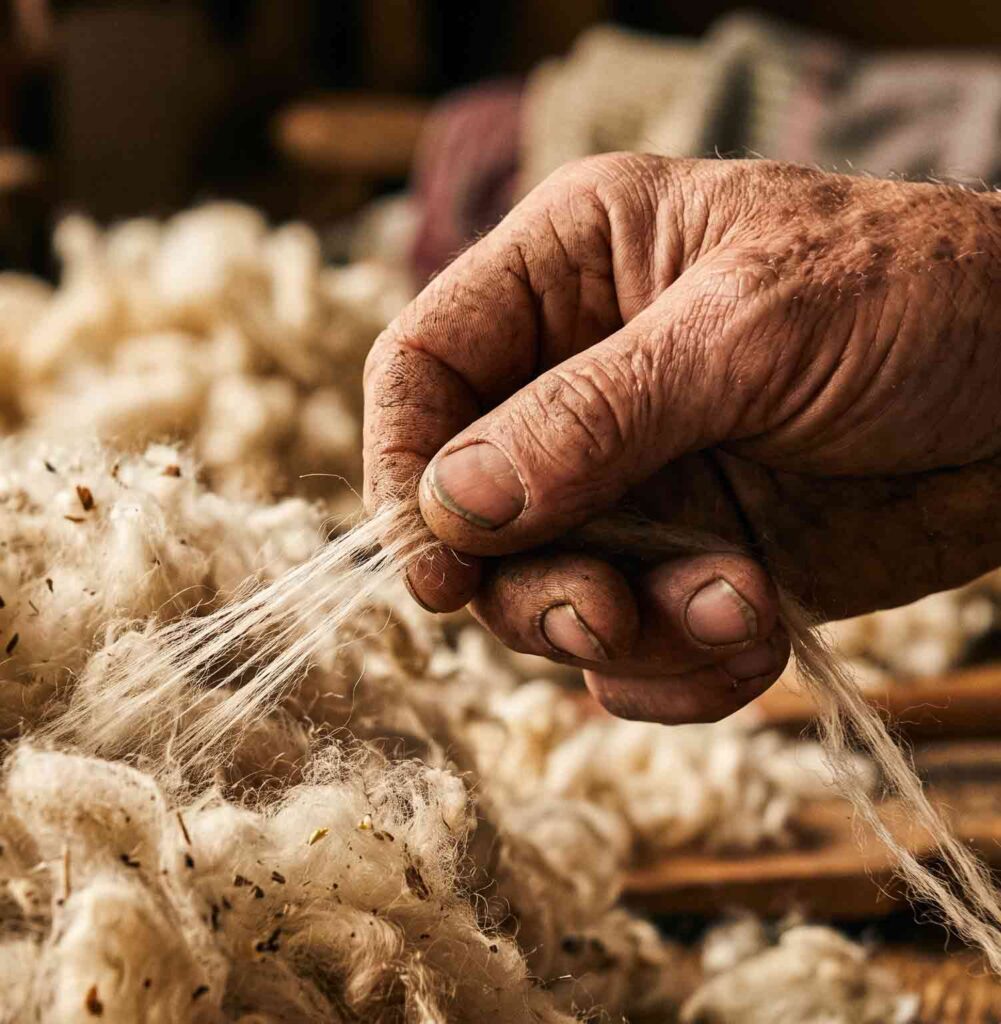
Premium Wool Piles

Wool is intrinsically resilient, coated in natural lanolin that repels moisture. While it handles water well during professional cleaning, never leave it damp. To revive a high pile (e.g., 15mm depth) compressed by heavy furniture, gently mist the area with water and use a soft brush or fingers to lift the fibers.

Luminous Viscose Blends

Viscose provides a brilliant, silk-like sheen, but its cell-structured fibers are highly sensitive to moisture. Keep viscose rugs liquid-free. For any significant spills, blot dry immediately and consult a professional luxury rug cleaner.

The Golden Rules of Longevity

The Necessity of an Underlay

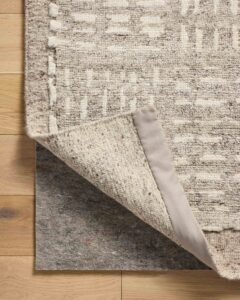
Always place a premium rug pad beneath your piece. It acts as a shock absorber, reducing friction between the rug’s backing and the hard floor, while preventing slipping.

Avoid DIY Steam Cleaning

Never subject a handmade rug to standard home steam cleaners. Intense heat warps the latex/cotton backing of tufted rugs, while harsh supermarket chemicals strip natural oils from wool.

Trust the Specialists

Have your rug professionally washed by a specialized luxury rug cleaner every 3 to 5 years. They use low-temperature, immersion-wash techniques that thoroughly cleanse the structural grid.

Care FAQs

Addressing common maintenance inquiries.

How should I store my handmade rug?

Should you ever need to store your masterpiece, have it professionally cleaned first. Wrap the rug securely in a breathable material—such as a clean cotton sheet—never plastic, which traps moisture and invites mildew. Store it horizontally in a climate-controlled environment, elevated off the ground, to preserve its form.

Can I use a robot vacuum on my rug?

We advise against using robotic vacuums on premium handmade rugs. Their automated rotating brushes can aggressively catch and tear the pile, and they are particularly damaging to hand-tied fringes.

Are chemical stain repellents safe to use?

We do not recommend applying aftermarket stain-repellent sprays. High-quality New Zealand wool is naturally stain and water-resistant due to its lanolin content. Chemical sprays can alter the texture, dull the natural sheen of the fibers, and cause premature degradation.

What should I do if a thread comes loose?

If a tuft or knot works its way loose above the pile (often called a “sprout”), never pull it. Pulling can unravel the surrounding structure. Simply use a pair of sharp, small scissors to carefully snip the loose thread level with the rest of the pile.